
How Much Does Crane Service Cost Per Day? Pricing Factors Explained
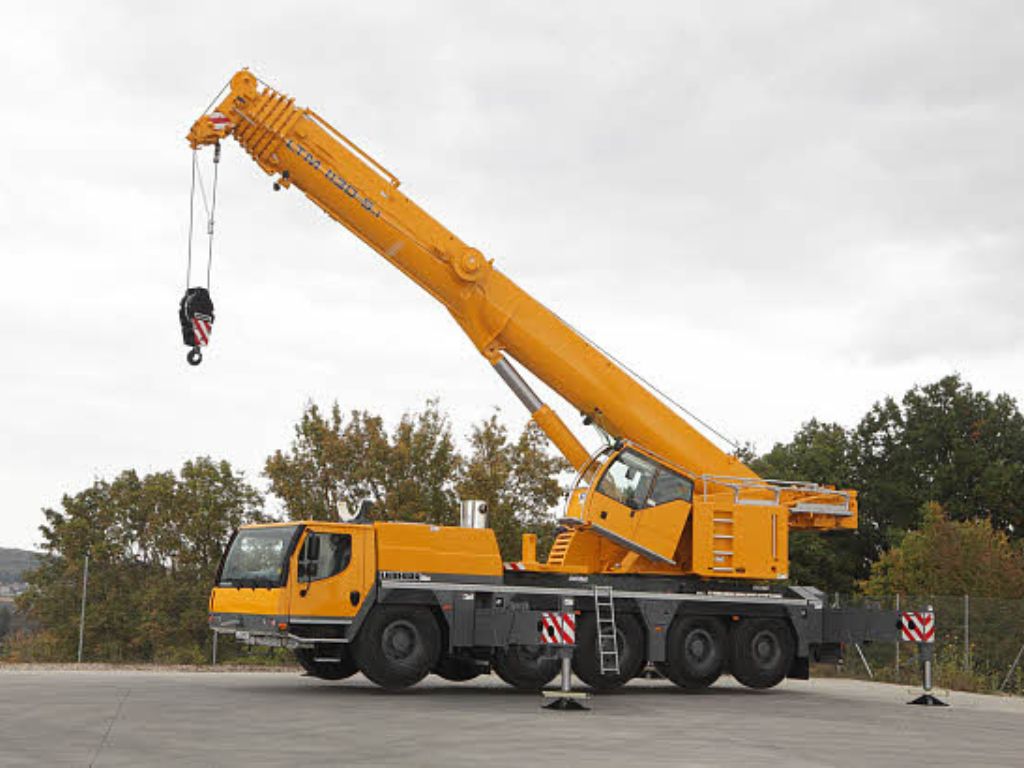
See what affects crane service cost per day, including crane size, minimum hours, mobilization, rigging, permits, setup, operator time, and standby charges.
Crane Safety Regulations in Massachusetts: OSHA and State Requirements Contractors Should Know

Review Massachusetts crane safety requirements, including OSHA Subpart CC, 230 CMR 6.00, operator licensing, inspections, power lines, and lift planning
Mobile Crane vs Crawler Crane for Construction
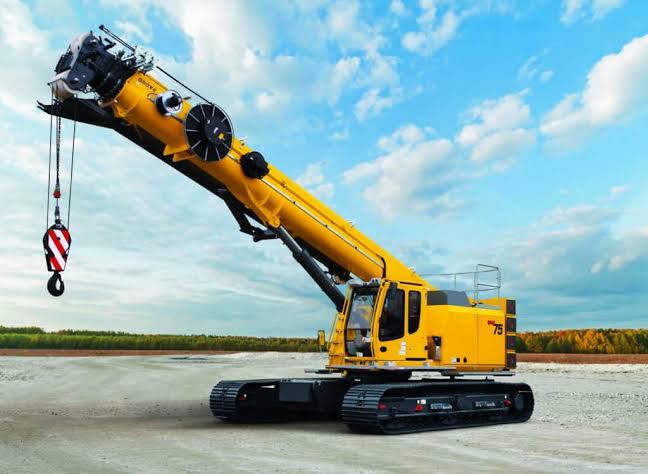
Compare mobile cranes vs crawler cranes for construction, including setup, ground conditions, lifting capacity, mobility, access, and project duration.
What Size Crane Do I Need?
If you are asking what size crane do I need, the load weight alone cannot answer it. You need to know what will be suspended from the crane, how far the crane must reach, how high the load has to travel, and where the crane can actually set up. A 5,000-pound HVAC unit lifted from […]
Do You Need a Crane Permit in Maine?
Do you need a crane permit in Maine? Learn when street occupancy, road closures, oversize permits, OSHA rules, and FAA notices may apply to your lift.
Crane vs Boom Truck: Which Do You Need?
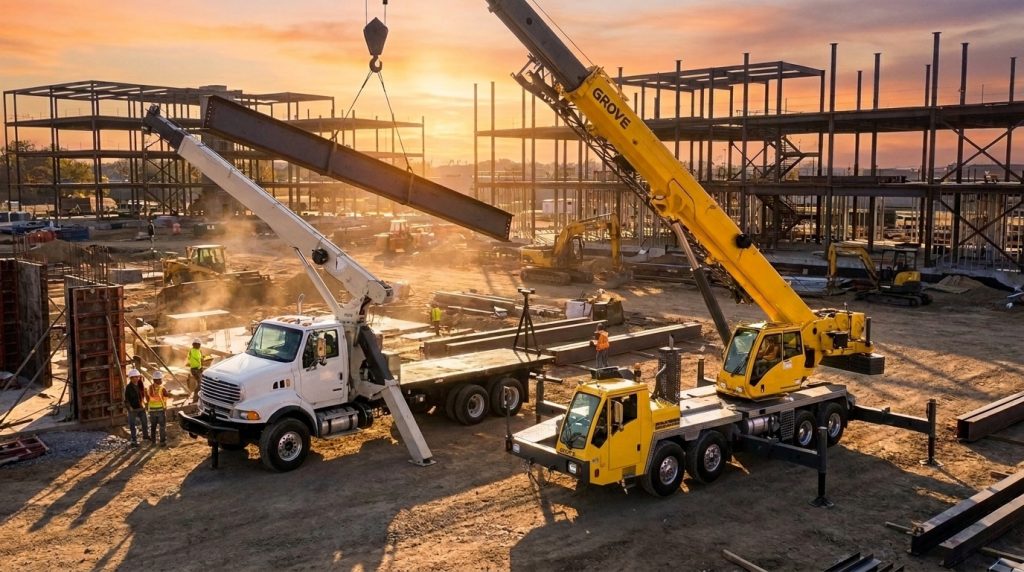
Boom truck vs crane? Compare lifting capacity, working radius, reach, setup, access, and common uses to choose the right equipment for your project.
Setting a Modular Home with a Crane

Setting a modular home with a crane requires careful lift planning, rigging, site access, foundation prep, and coordination. See how set day works.
When to Use a Boom Truck Instead of a Crane?

Learn when to use a boom truck instead of a crane by comparing lifting capacity, reach, mobility, site access, setup, and common construction jobs.
Crane Rental Cost Per Hour in New Hampshire (Price in 2026)

See what affects crane rental cost per hour in New Hampshire in 2026, including crane size, minimum hours, mobilization, rigging, permits, and operator time.
How Load Weight, Center of Gravity and Lift Points Shape a Rigging Plan

Learn how load weight, center of gravity, lift points, sling angles, and rigging hardware shape a safe, balanced crane rigging plan.