
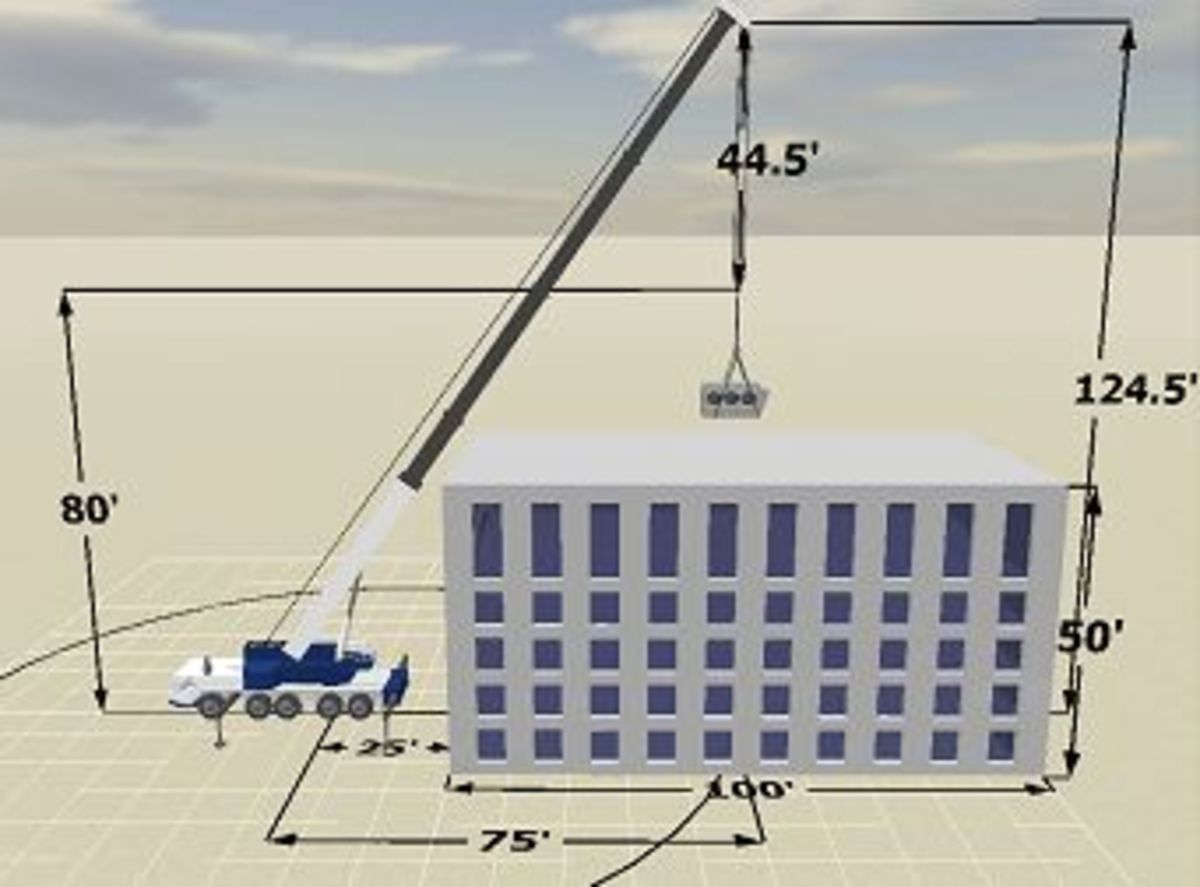
How to Plan a Safe Crane Lift
A successful crane lift starts long before the crane arrives on site. Whether you’re lifting rooftop HVAC equipment, structural steel, precast concrete, generators, industrial machinery, or utility equipment, proper planning is one of the most important factors in ensuring a safe and efficient operation.
Unfortunately, many people assume crane work is simply a matter of showing up with the right machine and lifting the load. In reality, safe crane operations require detailed planning, site evaluation, load analysis, communication, and coordination between everyone involved in the project.
At Aerial Crane Service, we have been helping contractors, facility managers, utility companies, and property owners complete safe crane lifts throughout New Hampshire, Massachusetts, Maine, and Vermont since 1983. Over the years, we have learned that successful lifts are built on preparation, not luck.
Why Crane Lift Planning Matters
Every crane lift involves risk. Heavy loads are being moved through the air, often around buildings, workers, vehicles, power lines, and other structures. Without proper planning, even a routine lift can quickly become dangerous.
A comprehensive lift plan helps identify hazards before work begins, determine the correct crane configuration, establish communication procedures, and ensure that all personnel understand their responsibilities.
Proper lift planning helps:
- Improve job site safety
- Protect workers and the public
- Prevent equipment damage
- Reduce costly delays
- Improve lift efficiency
- Meet OSHA requirements
- Minimize project risk
Step 1: Understand the Load
The first step in planning any crane lift is understanding exactly what is being lifted.
Important questions include:
- What is the weight of the load?
- What are the dimensions?
- Where is the center of gravity?
- Are there manufacturer lifting points?
- Will the load remain stable during the lift?
- Does the load require special rigging?
Accurate weight information is critical. Guessing the weight of a load is one of the most common mistakes that can lead to crane incidents. Whenever possible, use manufacturer specifications, engineering documents, shipping paperwork, or verified calculations.
Step 2: Evaluate the Job Site
Site conditions play a major role in crane safety.
Before selecting a crane, evaluate:
- Ground conditions
- Access roads
- Setup locations
- Building clearances
- Traffic patterns
- Underground utilities
- Nearby structures
- Pedestrian activity
The crane must be placed on stable ground capable of supporting the weight of the crane and load. Soft soil, underground structures, recently backfilled areas, and poor drainage can create serious stability concerns.
Step 3: Identify Power Line Hazards
Power lines remain one of the most significant hazards in crane operations.
Before any lift begins, determine:
- Whether power lines are present
- The voltage of nearby lines
- Minimum approach distances
- Potential boom swing paths
- Load travel routes
If power lines are within the work area, additional planning and safety measures may be required. Never assume a line is safe because it appears insulated or inactive.
Step 4: Select the Right Crane
Choosing the correct crane requires more than looking at the maximum lifting capacity.
Factors include:
- Load weight
- Lift radius
- Boom length
- Lift height
- Site access
- Ground conditions
- Counterweight requirements
- Setup space
A load that weighs only a few thousand pounds may still require a large crane if the lift radius is significant. The crane must be selected based on the worst-case conditions expected during the lift.
Step 5: Develop a Rigging Plan
The rigging system is just as important as the crane itself.
Every rigging component should be inspected and properly rated for the load.
This may include:
- Slings
- Shackles
- Hooks
- Spreader bars
- Lifting beams
- Specialized lifting devices
Proper rigging helps distribute the load correctly and prevents shifting during the lift.
Step 6: Establish Communication Procedures
Every person involved in the lift should understand how communication will occur.
Common methods include:
- Standard hand signals
- Dedicated signal persons
- Radio communication
- Voice communication
Confusion during a lift can create unnecessary risk. Clear communication helps ensure everyone understands crane movement and load positioning.
Step 7: Review Weather Conditions
Weather can significantly impact crane operations.
Before and during the lift, monitor:
- Wind speed
- Wind gusts
- Rain
- Snow
- Ice
- Lightning
- Visibility
Large loads can act like sails in windy conditions, making them difficult to control. Severe weather should always be considered during lift planning.
Step 8: Conduct a Pre-Lift Meeting
Before work begins, gather all personnel involved in the lift and review the plan.
The pre-lift meeting should cover:
- Lift sequence
- Roles and responsibilities
- Communication procedures
- Site hazards
- Emergency procedures
- Load path
- Crane setup
This meeting helps ensure everyone understands the operation before the load leaves the ground.
Step 9: Perform Equipment Inspections
Crane inspections should be completed before each lift.
Operators should verify:
- Wire ropes
- Hooks and latches
- Hydraulic systems
- Outriggers
- Safety devices
- Load indicators
- Control systems
- Brakes
Any deficiencies should be corrected before crane operations begin.
Step 10: Execute the Lift Safely
Once planning is complete, the lift can proceed according to the established plan.
During the operation:
- Maintain communication
- Follow the lift plan
- Monitor weather conditions
- Watch for changing site conditions
- Keep unauthorized personnel clear of the lift area
- Stop work if unsafe conditions develop
Safe crane operations require constant attention from everyone involved.
Common Mistakes That Lead to Crane Incidents
Many crane accidents are preventable.
Common causes include:
- Incorrect load weights
- Poor ground conditions
- Improper rigging
- Power line contact
- Inadequate communication
- Weather-related issues
- Insufficient planning
- Ignoring manufacturer guidelines
Most of these issues can be avoided through proper preparation and lift planning.
Why Experience Matters
Even with a detailed plan, experience remains one of the most important factors in crane safety.
Experienced operators understand how to identify hazards, adapt to changing conditions, and execute lifts safely. They recognize potential problems before they become serious issues and help keep projects moving efficiently.
At Aerial Crane Service, our operators bring decades of real-world lifting experience to every project. From rooftop HVAC units and generators to steel erection, precast concrete, industrial machinery, and utility equipment, we help contractors throughout New England complete safe and successful crane lifts.
Need Help Planning a Crane Lift?
Whether you’re planning an HVAC installation, generator placement, structural steel lift, precast concrete project, or industrial equipment move, proper planning is essential.
Aerial Crane Service has been serving New England since 1983 and provides professional crane services throughout New Hampshire, Massachusetts, Maine, and Vermont.
Contact our team today to discuss your project and receive expert guidance for your next crane lift.
FAQS
What is a crane lift plan?
A crane lift plan is a documented process used to identify load requirements, crane configuration, rigging needs, site conditions, hazards, and communication procedures before a lift begins.
Why is lift planning important?
Lift planning helps reduce risk, improve safety, prevent property damage, and ensure the crane can safely complete the required operation.
What information is needed before a crane lift?
Key information includes load weight, dimensions, center of gravity, lift radius, crane location, ground conditions, overhead hazards, and weather conditions.
Who is responsible for crane lift planning?
The crane company, contractor, operator, riggers, and project management team all play important roles in developing and following a safe lift plan.
What is considered a critical crane lift?
Critical lifts often involve high percentages of crane capacity, personnel platforms, dual-crane lifts, public exposure, complex rigging, or unusual site conditions.
How do power lines affect crane operations?
Power lines require special planning and minimum approach distances. Contact with power lines is one of the leading causes of crane accidents.
What role does rigging play in crane safety?
Proper rigging ensures the load remains stable and that lifting forces are distributed correctly throughout the lift.
How does weather affect crane lifts?
Wind, lightning, rain, snow, and poor visibility can create hazardous lifting conditions and may require lifting operations to stop.
What should happen during a pre-lift meeting?
The crew should review the lift plan, communication methods, hazards, responsibilities, and emergency procedures.
How often should cranes be inspected?
Crane inspections should occur before operation and follow all manufacturer, OSHA, and regulatory requirements.